For inquiries please call 087 7809078.

For inquiries please call 087 7809078.

The new Code of Practice: Safe Use of Industrial Trucks requires employers to give operators clear, practical training so they can work safely and confidently with any truck or attachment they use. It also highlights how important it is to share information and guidance in a way every employee can easily understand. With the right training and guidance, workplaces stay safer, smoother and more productive. Training should be provided, at a minimum, on:
• recruitment,
• transferring an employee to new tasks,
• the introduction of new work equipment or changes in the system of work, and
• the introduction of new technology
Forklift training can be delivered at your premises for the following types of Forklift,
Counter Balance/ Reach Truck/Telehandler/Lorry Mounted Forklift (Moffet) Multi Directional, Rough Terrain.
On successfull completation of training & assessment, the trainee will receive 5yr ABA accredited ID Card & Certificate.
For further information call / text or WhatsApp 087 780 9078
We have accreditted instructors/assessors available countrywide.
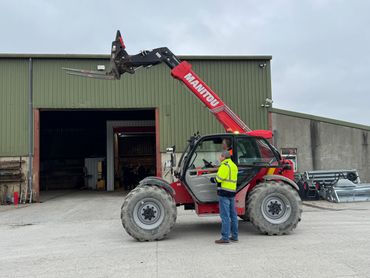
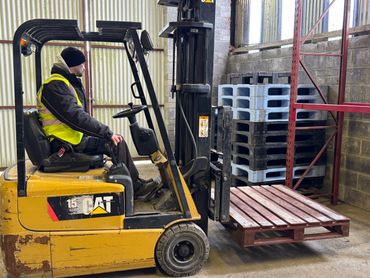
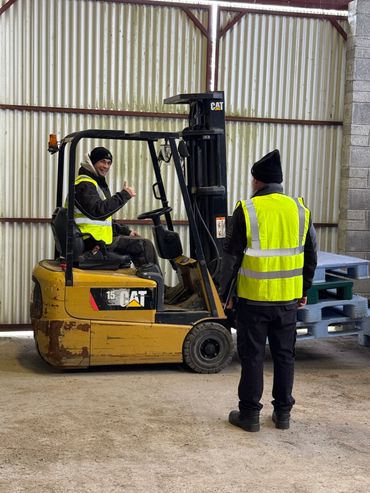
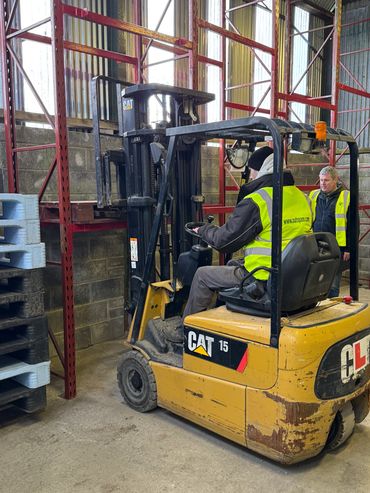
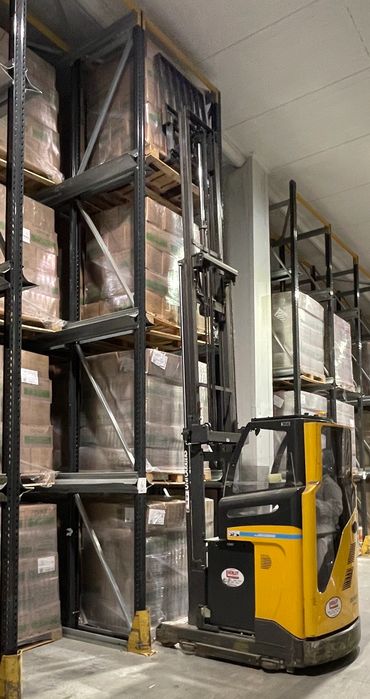
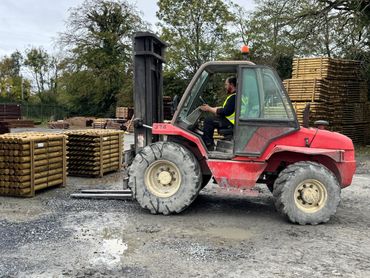

Counterbalance forklift training provides operators with the skills and knowledge required to safely operate a counterbalance forklift truck, one of the most commonly used types of lifting equipment in warehouses, construction sites, and industrial environments. The term “counterbalance” refers to the weight at the rear of the vehicle that counteracts the load being lifted at the front.
A typical training course includes:
1. Accident Prevention
Forklift trucks can pose serious risks if used incorrectly, including collisions, overturning, and falling loads. Proper training significantly reduces the likelihood of these incidents.
2. Legal Compliance
Employers are required under legislation such as the Safety, Health and Welfare at Work Act 2005 to ensure that all forklift operators are trained and competent.
3. Safe Load Management
Understanding load limits and stability is essential to prevent tipping and ensure safe handling of goods.
4. Protection of People and Property
Trained operators are less likely to cause damage to stock, equipment, or infrastructure, and help maintain a safer environment for all workers.
5. Improved Efficiency and Productivity
Competent operators can carry out tasks more effectively, contributing to smoother workflow and reduced downtime.